
 ghanawatch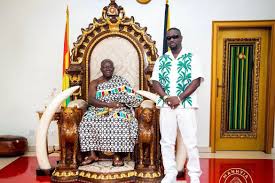
Ghanaian rap icon Sarkodie pays a respectful visit to the Asantehene, Otumfuo Osei Tutu II, at the Manhyia Palace. Discover the significance of this meeting and what it symbolizes for culture, unity, and the arts.
In the rich cultural tapestry of Ghana, few moments capture the nation’s soul like the intersection of tradition and modernity. On one such notable occasion, Ghana’s rap heavyweight, Sarkodie, visited Otumfuo Osei Tutu II, the 16th Asantehene and revered king of the Ashanti Kingdom. This memorable visit, which took place at the Manhyia Palace in Kumasi, wasn’t just another celebrity appearance—it was a powerful gesture of respect, heritage, and the bridging of generations.
This blog takes a deep dive into this iconic meeting, its cultural implications, and what it means for Ghanaian youth, music, and tradition.
Who is Otumfuo Osei Tutu II?
Otumfuo Osei Tutu II, born Nana Barima Kwaku Duah, is the current Asantehene (King of the Ashanti Kingdom), one of the most influential and respected traditional rulers in Africa. Enthroned in 1999, he has played a significant role in uniting the Ashanti people, preserving cultural values, and advocating for national development, education, peace, and traditional leadership.
His presence commands not just loyalty among the Ashanti people, but also admiration across Ghana and the diaspora. The Manhyia Palace, his royal residence, remains a powerful symbol of Ghanaian heritage and authority.
Who is Sarkodie?
Michael Owusu Addo, popularly known as Sarkodie, is arguably Africa’s most decorated rapper. From winning BET Awards to numerous Ghana Music Awards, Sarkodie has elevated Ghanaian music to international stages while staying deeply rooted in his native language, Twi.
Sarkodie’s influence goes beyond music—he’s a voice for youth empowerment, entrepreneurship, and cultural pride. As the CEO of SarkCess Music, he continues to inspire countless young Africans.
The Meeting: Sarkodie Visits the Manhyia Palace
In a moment that stirred social media and made headlines, Sarkodie visited the Manhyia Palace to pay homage to Otumfuo Osei Tutu II. Clad in a traditional outfit that reflected his Ashanti roots, Sarkodie knelt before the king in a gesture of respect, engaging in meaningful conversation with the monarch.
The atmosphere was one of reverence, admiration, and cultural pride. The photos and videos that emerged from the visit showcased a perfect blend of contemporary fame bowing in humility to ancestral authority.
Symbolism and Cultural Significance
This meeting wasn’t just ceremonial. It symbolized:
1. Unity Between Generations
Otumfuo Osei Tutu II represents ancestral wisdom and tradition, while Sarkodie represents modern success and global influence. Their meeting shows that modernity and tradition can coexist and thrive together in Ghana.
2. Respect for Traditional Authority
Despite his fame, Sarkodie demonstrated that no one is above cultural values. His visit is a lesson for Ghanaian youth on the importance of acknowledging and respecting traditional leaders.
3. Promotion of Ashanti Culture
Sarkodie, an Ashanti native, used his platform to showcase his roots. This helps to educate the global audience about the richness of Ashanti history and Ghanaian customs.
Social Media Reactions
Ghanaians across Twitter, Instagram, and Facebook praised the encounter. Fans admired Sarkodie’s humility, and many lauded Otumfuo’s continued support for the arts and Ghanaian youth. The visit sparked conversations about cultural identity, pride, and the role of celebrities in promoting tradition.
Hashtags such as #SarkodieMeetsOtumfuo, #ManhyiaPalace, and #AshantiPride trended, further spreading the message of unity and reverence.
What This Means for Ghana’s Creative Industry
Sarkodie’s visit is a strong signal to creatives that heritage should not be forgotten in the pursuit of success. Traditional rulers like Otumfuo Osei Tutu II are increasingly recognizing the power of music, film, and digital media in shaping narratives and promoting national values.
The meeting might also open doors to future collaborations between traditional institutions and modern creatives, in areas such as cultural education, tourism promotion, and youth mentorship.
Conclusion
The meeting between Sarkodie and Otumfuo Osei Tutu II is more than just a headline—it’s a defining moment in Ghana’s cultural narrative. It reminds us that no matter how far we go in life, our roots matter. It also affirms that Ghana’s future lies in the harmony between its cherished traditions and the innovative spirit of its youth.
As Sarkodie continues to break barriers in the global music scene, and Otumfuo continues to reign as a beacon of tradition and wisdom, their interaction sets a powerful example: Respect for culture is the foundation of lasting greatness.
About The Author

Discover more from Ghana Watch
Subscribe to get the latest posts sent to your email.


