
 ghanawatch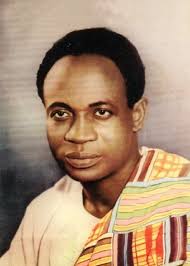
Dr. Kwame Nkrumah, Ghana’s first President and a key figure in the country’s independence struggle, did more than liberate Ghana from colonial rule—he also spearheaded a major economic transformation that included introducing Ghana’s own national currency: the cedi and the pesewa. This historic shift from the British pounds, shillings, and pence marked a defining moment in the assertion of Ghana’s economic sovereignty.
The Need for Change
Before independence in 1957, Ghana—then the Gold Coast—used the British West African pound, a colonial currency tied to the British monetary system. This currency consisted of pounds, shillings, and pence, which followed a complex calculation: 1 pound = 20 shillings, and 1 shilling = 12 pence. The system was not only foreign but also cumbersome for everyday Ghanaians to use.
After achieving independence, President Nkrumah and his government saw the need to decolonize not only politically but economically. One key step was introducing a national currency that reflected Ghana’s identity and could help foster a stronger, independent economy.
Introduction of the Cedi and Pesewa
On July 19, 1965, Kwame Nkrumah officially introduced the Ghanaian cedi (₵) and pesewa (Gp) as the country’s new currency, replacing the Ghanaian pound. The word “cedi” was derived from the Akan word “sedie”, which refers to cowry shells, an ancient form of currency used in West Africa. The pesewa, a subunit of the cedi, was pegged at 1/100 of a cedi, aligning Ghana with the more modern decimal system used around the world.
The exchange was simple:
- 1 Ghana pound = 2.4 cedis
- 1 cedi = 100 pesewas
This decimal-based system was not only more straightforward but also easier for Ghanaians to grasp, especially those involved in trade, farming, and small businesses.
Symbol of Economic Independence
The introduction of the cedi and pesewa was not just a monetary shift—it was a symbol of national pride and economic liberation. The new banknotes and coins featured Ghanaian leaders, cultural symbols, and national landmarks, replacing the British monarchs and colonial emblems. This move reinforced the message that Ghana was not just politically free but also ready to chart its own economic destiny.
Legacy of the Cedi
Though the original 1965 cedi introduced by Nkrumah has since undergone several redenominations due to inflation and economic challenges, the cedi and pesewa remain the official currency of Ghana today. Their existence continues to honor Nkrumah’s vision of a self-reliant, self-governing African nation.
Conclusion
Kwame Nkrumah’s decision to replace the British pounds, shillings, and pence with the cedi and pesewa was a bold economic step toward full independence. It simplified transactions, localized economic control, and strengthened Ghana’s national identity. Today, every time Ghanaians use the cedi or pesewa, they are reminded of a legacy of economic freedom sparked by Nkrumah’s visionary leadership.
About The Author

Discover more from Ghana Watch
Subscribe to get the latest posts sent to your email.


